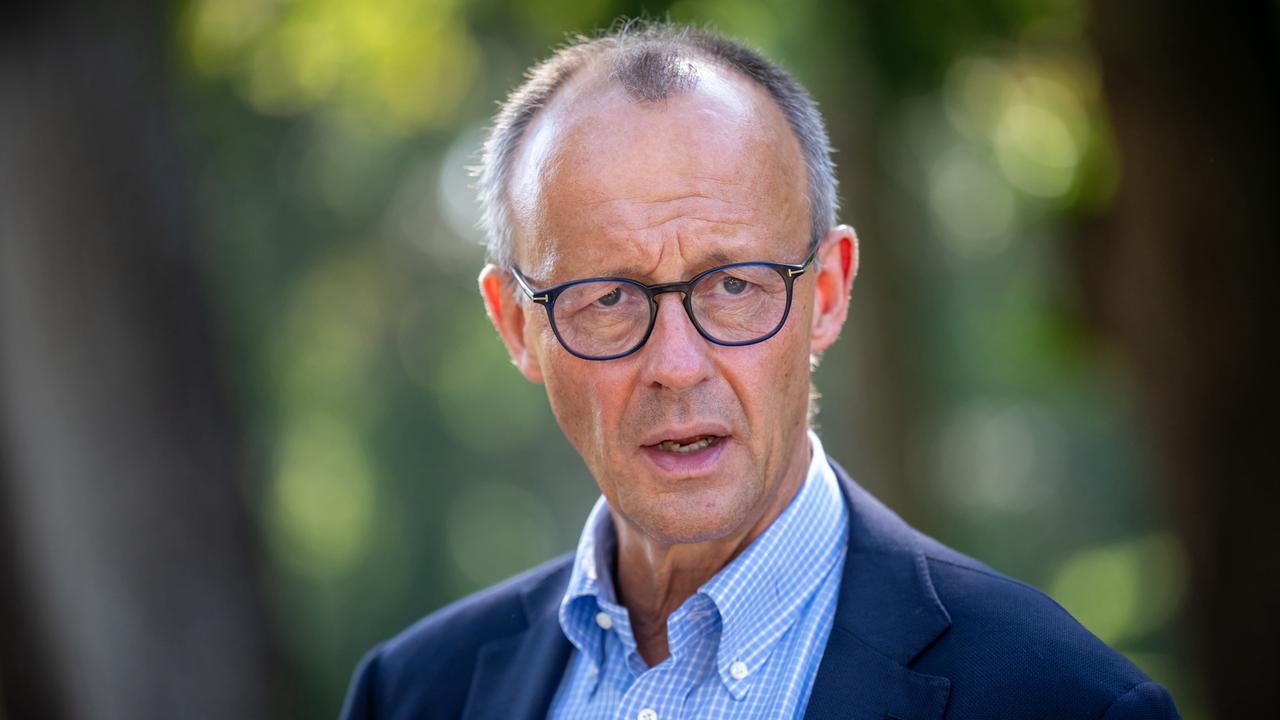
ZDF Sommerinterview: Friedrich Merz Navigates Kanzlerkandidat Questions and Sharpens Ampel Critique
The political spotlight in Germany recently turned to Friedrich Merz, leader of the Christian Democratic Union (CDU), as he took center stage for the traditional ZDF Sommerinterview. Conducted by Diana Zimmermann from Merz's home turf in the Sauerland, this interview was far from a casual summer chat. Coming just two weeks after a pivotal European election that saw the CDU/CSU emerge as the strongest force, and with crucial state elections in Saxony and Thuringia looming in ten weeks, Merz's appearance on ZDF carried significant weight. It offered a critical platform for the CDU chief to address pressing domestic and foreign policy issues, clarify his party's stance on contentious alliances, and position himself – implicitly or explicitly – for a potential run for Chancellor.
For observers of German politics, the friedrich merz zdf encounter was a moment to gauge the Union's strategic direction, particularly concerning the rise of populist parties and the ongoing challenges facing the governing Ampelkoalition (traffic light coalition). Merz tackled the complex "Brandmauer" (firewall) debate regarding the AfD, discussed potential cooperations with the newly formed Bündnis Sahra Wagenknecht (BSW), and voiced strong criticisms of the current government's performance, all while subtly addressing the perennial question of his own Kanzlerkandidat aspirations.
The Enduring Legacy of the ZDF Sommerinterview Tradition
The "Berlin direkt – Sommerinterviews" have been a cornerstone of ZDF's summer programming for over 36 years, commencing in 1988 under the "Bonn direkt" banner. This series provides a unique opportunity for leading German politicians to engage in extended, often more reflective, discussions outside the usual heated parliamentary debates or brief press conferences. For viewers, it's a chance to see political figures in a different light, often in their home regions, offering a touch of personal insight alongside policy positions.
Friedrich Merz's participation in this esteemed tradition underscores its continued relevance. As the head of the largest opposition party and a perennial figure in conservative German politics, his every utterance is scrutinized for clues about the CDU's future trajectory. The timing of this particular friedrich merz zdf interview, sandwiched between significant electoral events, amplified its importance, turning it into a de facto sounding board for the Union's strategic adjustments and long-term ambitions. It's a platform not just for conveying messages, but for shaping narratives and projecting leadership, especially given Merz's own history and ambitions.
Navigating Eastern Germany: AfD, BSW, and the CDU's Strategic Tightrope
A central focus of Merz's discussion revolved around the upcoming state elections in Saxony and Thuringia, where the political landscape is particularly volatile. The strength of the far-right AfD and the emergence of the BSW present complex challenges for established parties like the CDU.
- The AfD "Brandmauer": Merz reiterated the CDU's commitment to the "Brandmauer" against cooperation with the AfD. This "firewall" is a critical, yet increasingly difficult, principle for the CDU to uphold, especially in eastern states where the AfD often polls as the strongest party. The interview provided Merz an opportunity to clarify that this stance is unwavering, even in the face of potential political gridlock. However, the practicalities of forming stable governments in these states without engaging with the AfD remain a significant hurdle, pushing the CDU to explore innovative, perhaps even uncomfortable, coalition options.
- Cooperation with BSW: The Bündnis Sahra Wagenknecht, a new party combining left-wing economic policies with conservative stances on migration, has quickly gained traction, particularly in the East. Merz’s remarks on potential cooperation with BSW were closely watched. While ruling out a formal coalition agreement with the AfD, the CDU’s position on BSW is more nuanced. Merz likely hinted at the possibility of issue-based cooperation or exploring avenues that avoid empowering extremist elements, without necessarily endorsing BSW as a long-term partner. This strategic flexibility is vital for the CDU to remain a viable governing force in fragmented state parliaments. For a deeper dive into these complex dynamics, read Merz on AfD, BSW & East Elections: Key Insights from ZDF Interview.
These discussions highlight the CDU's delicate balancing act: maintaining its democratic principles while seeking pragmatic solutions to govern in increasingly fragmented political environments. The outcomes in Saxony and Thuringia will not only determine the political futures of those states but also offer crucial insights into the national mood ahead of the next federal election.
Merz on National Leadership: The Kanzlerkandidat Question and Ampel Critique
Beyond regional politics, the ZDF Sommerinterview with Friedrich Merz inevitably turned to his national leadership ambitions and the CDU's alternative vision for Germany. The question of whether Merz is the undisputed Kanzlerkandidat (Chancellor Candidate) for the Union remains a recurring theme. While Merz holds the party leadership, historical precedent shows that the CSU leader or another prominent CDU figure could also emerge as the joint candidate. Merz's performance in the interview – projecting competence, decisiveness, and a clear vision – was undoubtedly aimed at strengthening his claim to this coveted position. His ability to articulate a compelling alternative to the current government is key to solidifying his leadership within the Union and appealing to a broader electorate.
A Scathing Critique of the Ampelkoalition
Merz used the interview as a powerful platform to voice the CDU's extensive criticisms of the current Ampelkoalition. His points of contention likely included:
- Economic Stagnation: Merz would have highlighted Germany's current economic woes, arguing that the Ampel's policies, particularly in energy and industrial transformation, are stifling growth, increasing bureaucracy, and driving businesses abroad. The CDU's alternative typically advocates for less regulation, tax relief for businesses, and a stronger focus on traditional industrial strengths.
- Energy Policy: The green transition under the Ampel government has been a frequent target. Merz likely criticized the speed and cost of the phase-out of fossil fuels and nuclear power, advocating for a more pragmatic, technology-open approach to energy security and affordability.
- Social Cohesion and Migration: While not explicitly detailed in the context, Merz and the CDU generally argue for stricter controls on migration and express concerns about social cohesion under the current government, especially regarding integration challenges and the perceived strain on public services.
- Foreign Policy and Ukraine Debates: Intriguingly, Merz criticized the public debates over weapon deliveries to Ukraine. This isn't necessarily a criticism of the deliveries themselves, but rather of the perceived lack of strategic unity, the public airing of disagreements, and potentially the hesitation or slowness in decision-making that could be seen as undermining Germany's international standing or effective support for Ukraine. Merz would likely advocate for a more decisive, unified, and less publicly fractured foreign policy, possibly pushing for stronger German military capabilities and leadership within NATO and the EU.
The overarching message from Merz was that a Union-led government would offer a decisive course correction, prioritizing economic competitiveness, national security, and clear leadership, in stark contrast to what he portrays as the Ampel's indecision and policy missteps. For more on the CDU's strategic approach, consider reading Friedrich Merz im ZDF: Union's Strategy for Upcoming State Elections.
Practical Tips for Understanding German Political Interviews
When engaging with interviews like the friedrich merz zdf Sommerinterview, it's helpful to keep a few points in mind:
- Context is King: Always consider the timing. Post-election, pre-election, or during a crisis, the context shapes the politician's message and the interviewer's questions.
- Subtext and Body Language: Beyond the words, observe the politician's demeanor. Do they appear confident, evasive, or passionate? These non-verbal cues can reveal much.
- Party Line vs. Personal Stance: Distinguish between statements that are clear party policy and those that might hint at a more personal view or a potential shift in strategy.
- Anticipate the Critique: For opposition leaders, expect a strong critique of the government. Understand the key areas of disagreement to grasp their proposed alternatives.
- Look for Forward-Looking Statements: What is the vision? How do they propose to solve the problems they identify? This reveals their strategic direction.
Conclusion
Friedrich Merz's appearance on the ZDF Sommerinterview was a pivotal moment, skillfully used to articulate the CDU's positions on critical issues ranging from regional alliances to national leadership. As Germany grapples with economic headwinds, geopolitical uncertainties, and a fragmented domestic political landscape, Merz positioned the CDU as a strong, stable alternative to the current Ampelkoalition. His careful navigation of the AfD "Brandmauer" and the BSW question, coupled with a sharpened critique of the government's performance, was designed to reinforce his leadership credentials and pave the way for a potential Chancellor candidacy. The interview not only provided insights into the CDU's immediate electoral strategies for the East but also offered a clear glimpse into Merz's vision for a future Germany under Union leadership, setting the stage for intense political debates in the months to come.